A free day can acquire the structure of a working one surprisingly quickly. A café booking fixes the morning, a drive dictates lunch, and a walk becomes something to finish before the next stop. Each idea may be pleasant in isolation. Together, they can turn time off into a small transport operation.
The alternative is not to treat planning as a failure. It is to plan around the part of the day that matters most. Choose one place you genuinely want to spend time in, then arrange the journey and food around it. Everything else can remain optional without becoming a missed opportunity.
For a family or group, that first choice is also a conversation about different capacities. One person wants distance; another needs a seat; someone else has a shift later. The most ambitious route is not automatically the most generous plan. A day works when the people actually attending can enjoy it together.
A nearby destination has a particular advantage: it can be visited again. That removes the pressure to see every corner on a single outing. If the weather turns or a child has had enough, leaving is a change of plan rather than the collapse of an expensive, once-only experience.
Read beyond the distance
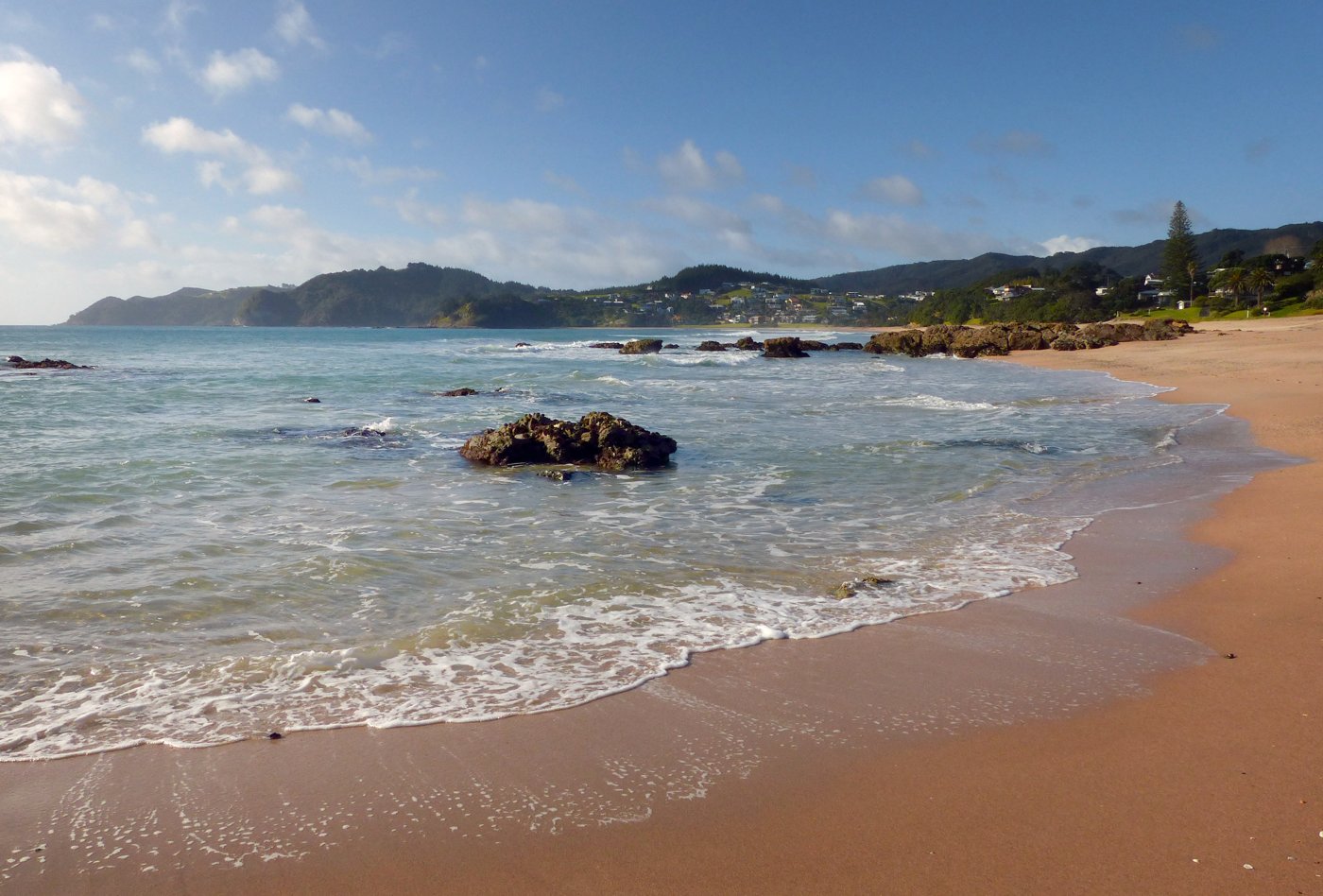
DOC’s Short Walks collection is a useful starting point, but the label “short” should prompt a closer look rather than end the research. Its selection includes outings with different durations and fitness requirements. A modest distance can still involve steps, steep ground or exposure that matters to someone in the group.
Read the individual track information and current alerts before leaving. Check whether the advertised time is one way or return, and whether the route is a loop. Access and closures can change. An old photograph or a saved social-media post is a poor substitute for the current page maintained by the land manager.
Practical details make an outing feel relaxed: a reliable way home, drinking water, somewhere to sit and an alternative if conditions change. For a wheelchair user or someone pushing a pram, surface and gradients may matter more than distance. Do not infer accessibility from the word “easy” alone.
Water deserves its own check. A clear-looking river or attractive beach photograph cannot establish swimming conditions. LAWA and local councils provide water-quality information; coastal conditions require attention too. You can still enjoy a waterside walk when entering the water is not a sensible part of the plan.
Let one place become the day
Once the practical questions are settled, try leaving the middle of the outing open. A bench with a view, a patch of shade or the sound of birds can become the destination for a while. That is time spent in the place, rather than spare time waiting for the next activity to begin.
Returning to the same route makes changes visible. A flowering tree, a different tide line or a newly repaired section of path gives a familiar walk new information. Novelty does not always require a new address. Sometimes it requires knowing a place well enough to notice what has changed.
A café can be part of that rhythm without becoming a compulsory purchase. Stop if you want to, check opening hours, and choose a place that suits the group. A packed lunch or a flask offers another kind of freedom, particularly when spending money would make the outing less comfortable for someone.
Public spaces matter for precisely this reason. A library, a waterfront seat or a neighbourhood reserve can allow people to spend time together without paying for every hour. Appreciating those places also means treating them as shared: leave access clear, take rubbish away and let other visitors enjoy a different pace.
Make it possible to come back
A slower weekend is easier when it is not framed as another standard to meet. Some people enjoy busy days; others have only a short break between responsibilities. There is no prize for doing less. The useful question is whether the day leaves room for the people and interests it was supposed to serve.
For a newcomer, repetition can build a modest map of belonging. You learn where the path is sheltered, which entrance is easier and when a place is quiet. Familiarity makes the next invitation more specific: not simply “we should go out,” but “there is somewhere nearby I think you would like.”
Keep a small note if it helps: the route, the practical obstacle, the thing worth returning for. It need not become a public review or a performance of leisure. The information can simply make the next day out easier for you or for someone you invite.
The measure of a good weekend need not be the number of places reached. It can be whether you were present in one of them, and whether you would happily return. A little room in the plan makes that possible—and leaves something to look forward to without having to travel further.