
A sale makes comparison feel easy by putting a percentage in large type. But a discount answers a narrow question about a reference price. It does not tell you whether an item solves a problem, fits the equipment you own or costs less than a suitable alternative once it reaches your door.
Start with a sentence that describes the job. Perhaps you need one compact charger for a compatible laptop, or a longer cable that reaches a socket without pulling across a desk. This keeps the comparison anchored to use. Without that anchor, a cheap accessory can quietly become the reason to buy two more things.
The Commerce Commission’s pricing guidance says a sale implies a reduction from the usual price. That is a useful standard, but the shopper still needs to compare like with like. Check the exact model and seller, the included accessories, the price including GST and any delivery charge. Similar-looking product names can conceal different specifications.
We have chosen two PB Tech listings as concrete examples, rather than treating a store-wide banner as a verdict on every product. The prices below were checked on 27 November. They are a snapshot for comparison, not a promise of remaining stock or the lowest price available anywhere.
One charger, and its boundaries

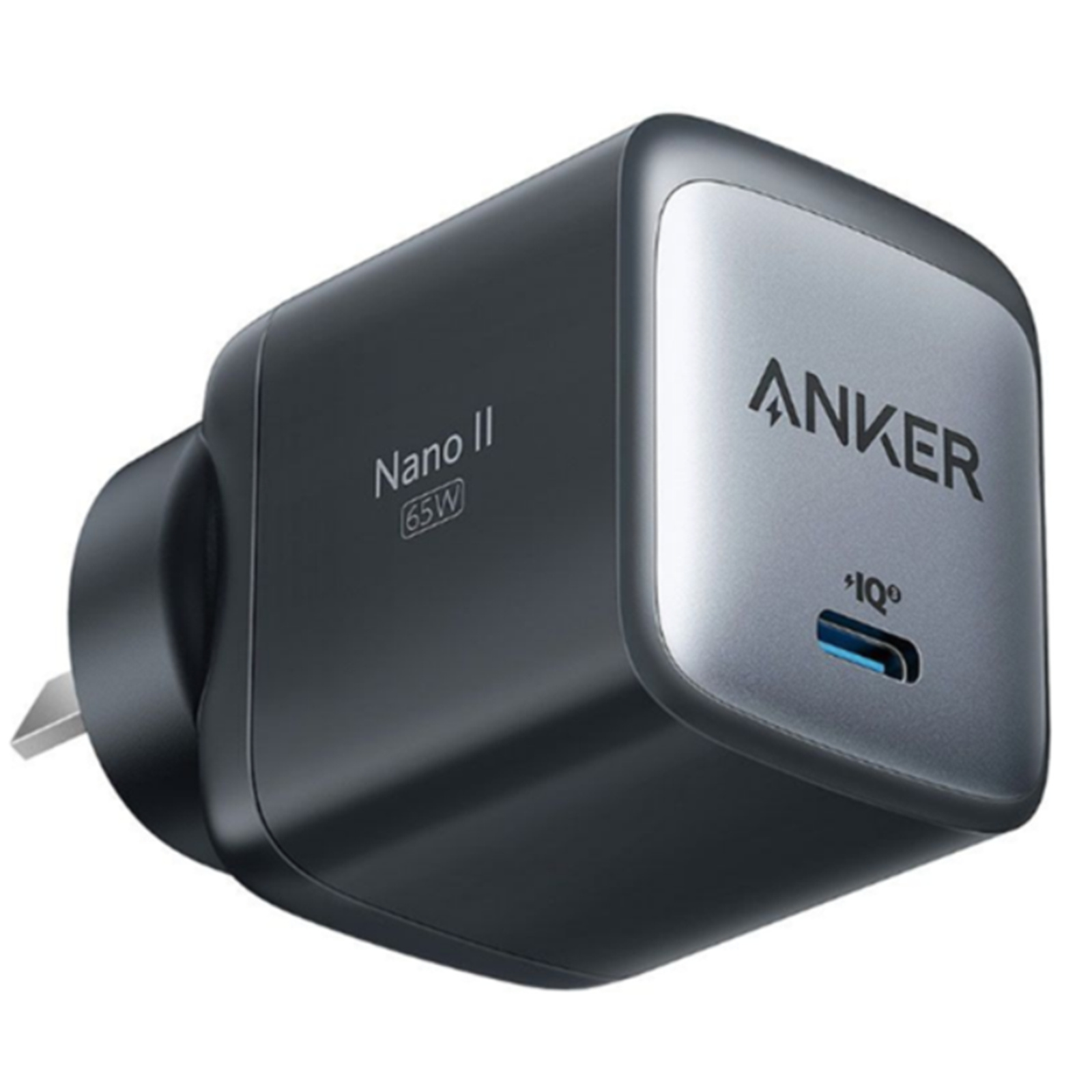
The Anker Nano II 65W, model A2663T11, was listed at NZ$52.50 including GST. Its appeal is straightforward: a compact charger with a single USB-C output, suitable to consider when one compatible device needs power. A small bag and a crowded socket can make size genuinely useful, even when a larger charger is already available.
The single port is also its limitation. If a phone and laptop must charge at the same time, this product does not remove the need for another outlet or charger. A multiport model might suit that routine better, but its advertised total power should not be mistaken for the power available at every port simultaneously.
Likewise, “65W” is a capability rather than a promise that every connected device receives 65 watts. The device’s supported charging protocol, its demand and the cable all affect the result. Check the laptop manufacturer’s requirements, especially if the machine normally uses a higher-power supply or a proprietary connector.
The sensible purchase depends on the gap in your existing setup. If your current charger works well and rarely leaves the desk, a smaller replacement may add convenience without solving a meaningful problem. If the same charger moves between work and home every day, portability may be exactly the benefit you are paying for.
A cable is a separate decision
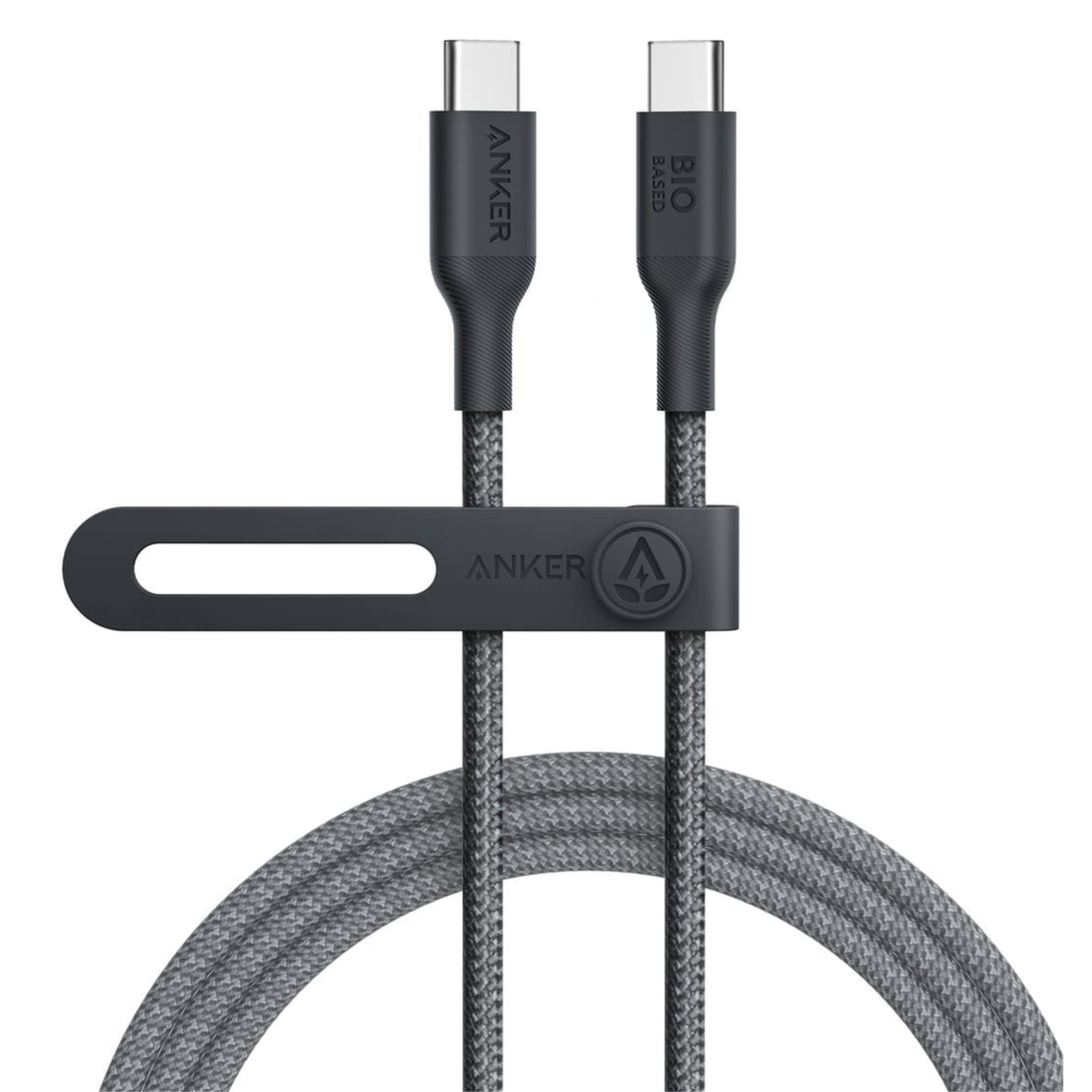
The Anker PowerLine 544 USB-C cable, model A80F6H11, was listed at NZ$15.40 including GST for the 1.8-metre version. Length is not a decorative detail. It determines whether a device can sit where you use it, whether the connector is under tension and whether the cable becomes an obstacle between furniture.
PB Tech lists this cable for charging up to 140W, data up to 480 Mbps and no video output. That makes it a charging candidate, not a monitor cable or a fast external-drive connection. A 140W cable also does not turn a 65W charger into a 140W supply: the system still operates within the limits of the charger and device.
Buying both listed items would total NZ$67.90 before delivery. That is a more useful number than either discount badge if you actually need a complete charging setup. It is also worth checking whether a suitable cable is already in the drawer, or whether another package includes one that meets your requirements.
“Bio-Nylon” is part of the cable’s product description. It should not be stretched into a claim about the environmental footprint of the whole product. For a practical purchasing decision, using an appropriate cable for longer, avoiding unnecessary duplicates and replacing damaged equipment are more concrete considerations than a single material label.
The part of the deal that lasts
Delivery can change the economics of a small purchase. Combining needed items may reduce the cost of getting them home; adding unwanted items to reach a free-delivery threshold can reverse that saving. Compare the amount leaving your account, including any collection trip, rather than treating shipping as an afterthought.
Returns deserve the same attention. Under New Zealand’s Consumer Guarantees Act, qualifying purchases from businesses carry rights when goods fail to meet the guarantees. A manufacturer’s warranty is not the sole measure of those rights. Changing your mind is a different matter and depends on the retailer’s returns policy.
Keep the receipt and the specification that informed the decision. These are useful if the wrong model arrives or the product does not do what was represented. Our comparison is based on retailer specifications and prices; it is not a hands-on performance test, and there is no basis here for a durability ranking.
A good Black Friday purchase should still make sense when the banner disappears. If you can explain the task it performs, why this model fits and what the complete purchase costs, the sale has helped with a decision you already understand. If the explanation begins and ends with the percentage, closing the tab is still an option.

Two products to compare
Prices include GST; delivery is extra. Checked 27 November 2026. Confirm current price and availability with PB Tech.